Posts

Up Against the Wall.

Giving language a physical presence, these painted wood blocks are part non-digital text message and part existential fortune cookie. After years of crafting digital messages that are here today, gone later today (what the Japanese aptly call the “water business”), it’s my reaction to an ephemeral way of life.

I enjoy how everyday phrases become slightly absurd when you set them in stone — er, wood — like when you repeat a word so many times it loses meaning, except in reverse. When words literally become objects, does that change their impact? The tension mirrors how language itself can be both immediate and layered with nuance when removed from conventional contexts.

I hope viewers find their own meanings within this linguistic concrete poetry.

Embracing the Batman Effect

Need a boost to get you through your next deadline? The Batman Effect is a psychological phenomenon identified through research conducted by Rachel White and her colleagues at the University of Washington. The term comes from a study published in 2016 in the journal Child Development. The Batman Effect suggests that children can improve their perseverance and focus on a task by pretending to be a strong, competent character like Batman.

Researchers asked 4 and 6-year-old children to perform a repetitive task for 10 minutes. Some children were told to think about their thoughts and feelings while working (self-immersed), others were told to think about themselves from an outside perspective (self-distanced), and a third group was told to pretend they were Batman (exemplar condition).

Children who pretended to be Batman worked longer and more diligently than those in the other conditions. They exhibited better perseverance and self-control. By taking on the persona of Batman, children created psychological distance from their own limitations and frustrations. This allowed them to view their task from a more capable perspective. This effect suggests that role-play and imagination can be powerful tools for improving focus, self-control, and perseverance, not just in children but potentially in adults as well. The study highlights the potential benefits of self-distancing strategies in emotional and behavioral regulation.

Rethink everything.

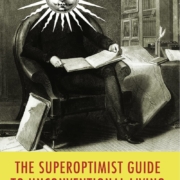
If you’re looking to sidestep the status quo, switch off the automatic pilot or awaken the senses, here’s a book for you. (That I happen to be its co-author is just a coincidence.)  Within these pages you’ll find answers to the following:

  1. How can thinking backwards propel me forwards?
  2. Why is it preferable to listen to the news in French?
  3. Which four words will improve my outlook forever?
  4. Can I journey into space without the need of a rocket?
  5. Why should I carry a lemon at all times?
  6. Is it possible to get rich while enjoying nature?
  7. Why do I think the way I do?

We invite you to disengage from the commonplace and open your neural pathways to more expansive thinking. Tap into 110 brand new secrets of SuperOptimism, available now.

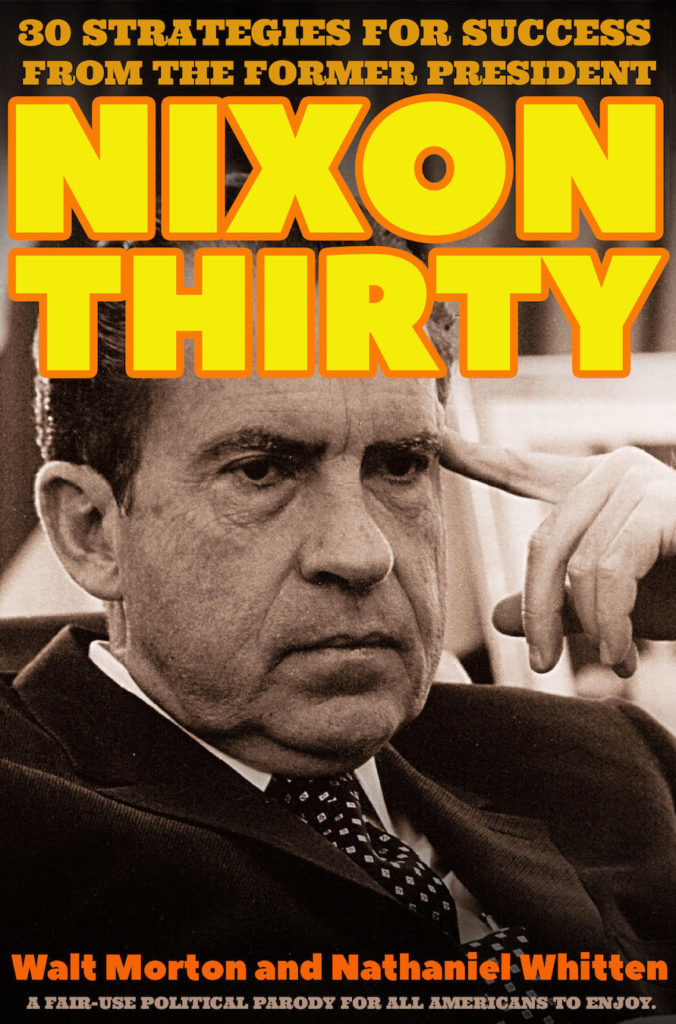
Nixon, reevaluated.

Want to better navigate the workplace, Wall Street or The White House? Here are from one of the shrewdest politicians ever to slink through the swamps of D.C.

Think beyond positive.

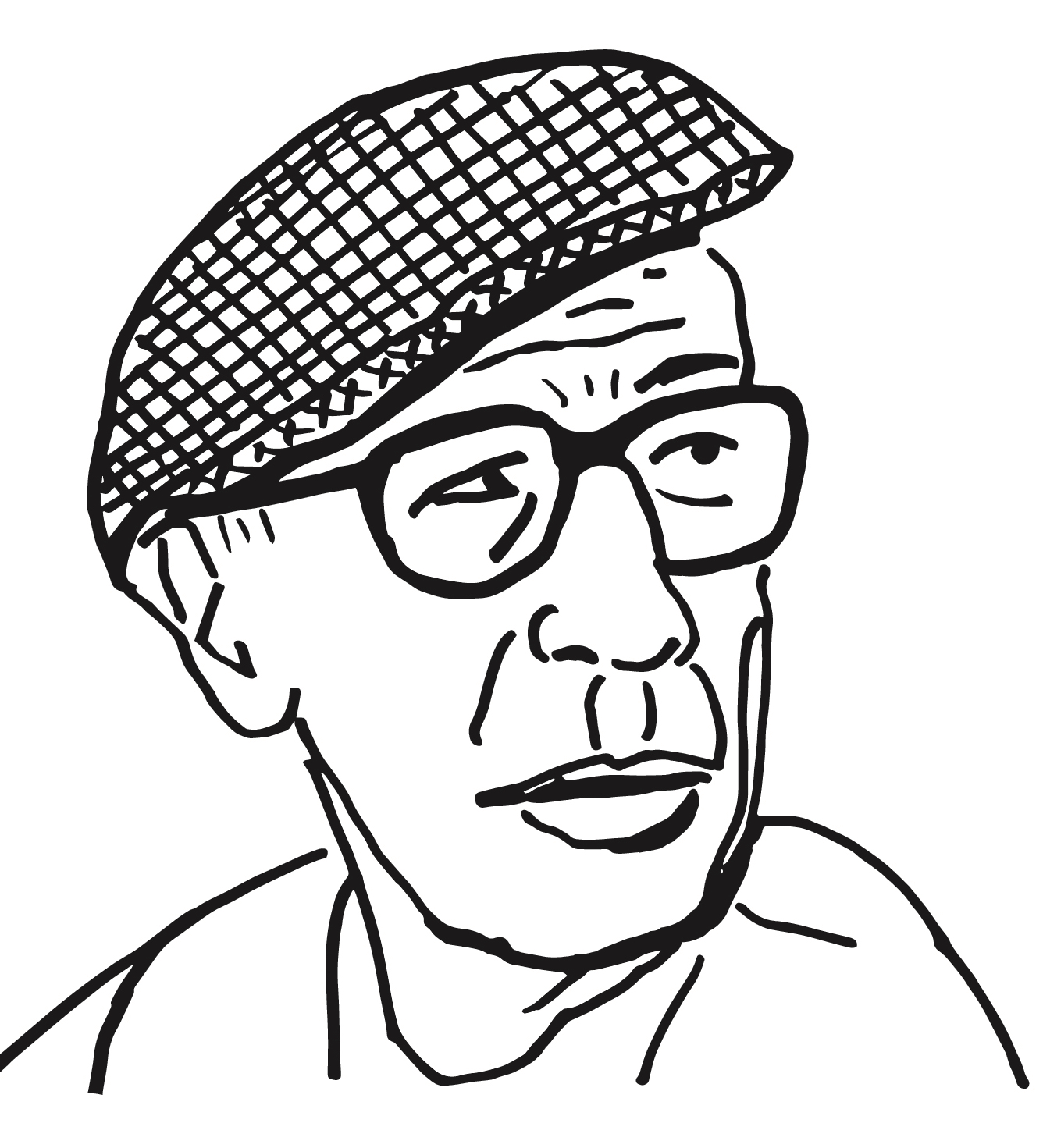
Have you grown weary of the material world? Would you like to find solace in ideas that transcend the current state of reality? For those in need of a pick-me-up, I invite you to sample the semi-regular posts and illustrations I contribute to SuperOptimist.com.  Shown above: Henry Miller, who made a recent appearance to deal with the ghosts that follow us everywhere.


To the moon, Alice.

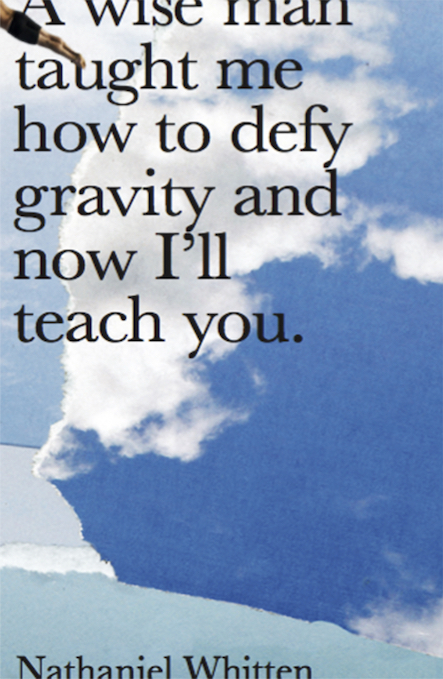
Now for less than a cost of a steampunk-brewed coffee in Brooklyn, you can take yourself past the beach, the water park, even Europe, and enjoy the ride of your life into the outer reaches of the universe. Try the book that Kirkus calls “an eclectic, entertaining and often enlightening examination of the inner workings of the mind.”